
When purposeful separation serves your audience better: Greenly’s dual video podcasts
This Month In Content Issue #16 | One standout B2B content marketing example each edition

Hey content friends,
Most B2B brands struggle to maintain one podcast consistently.
So when I saw Greenly running two separate climate podcasts under the same brand, I was sceptical – I’m a big believer in focus, doing less, doing it well.
But in this case, the separation actually serves their audience better.
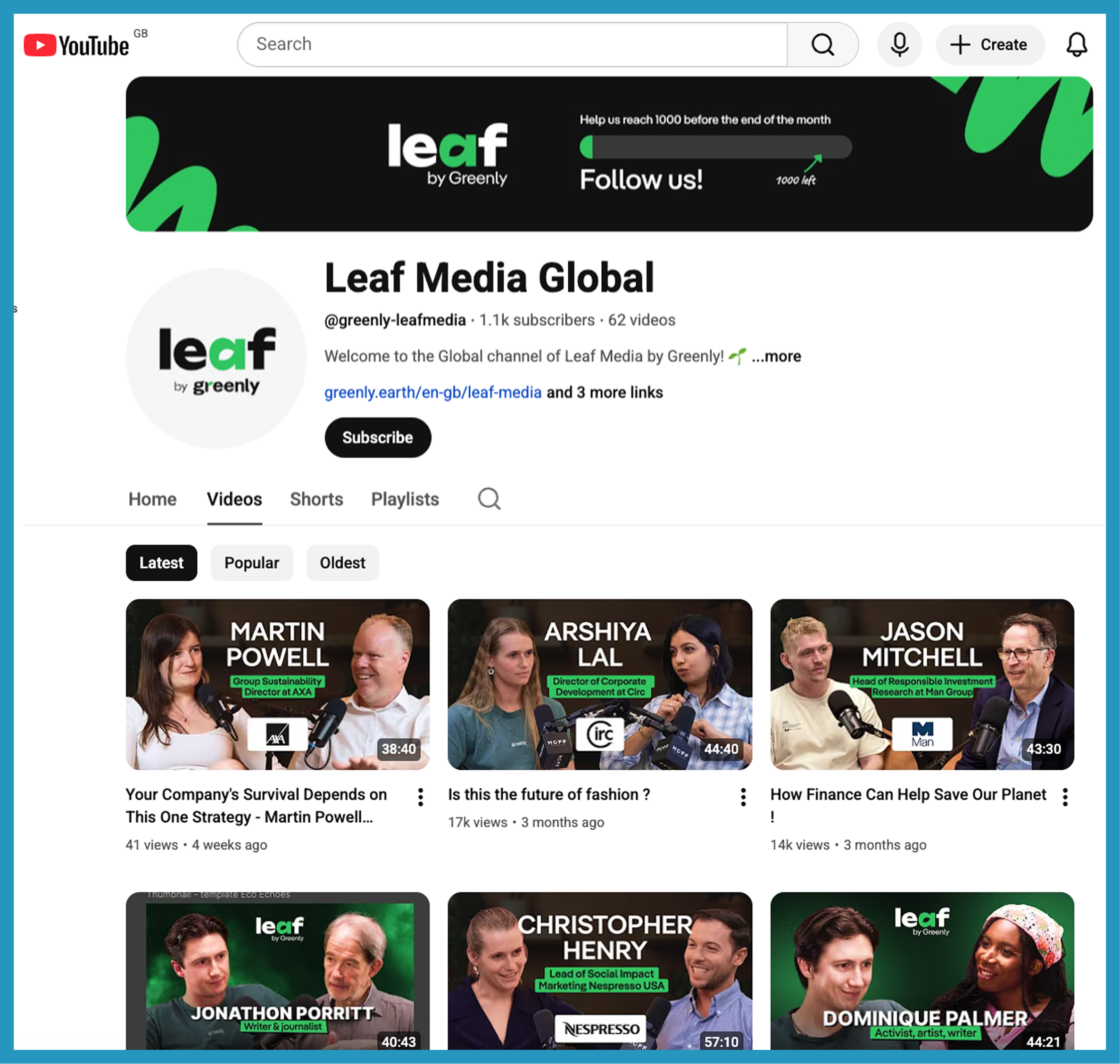
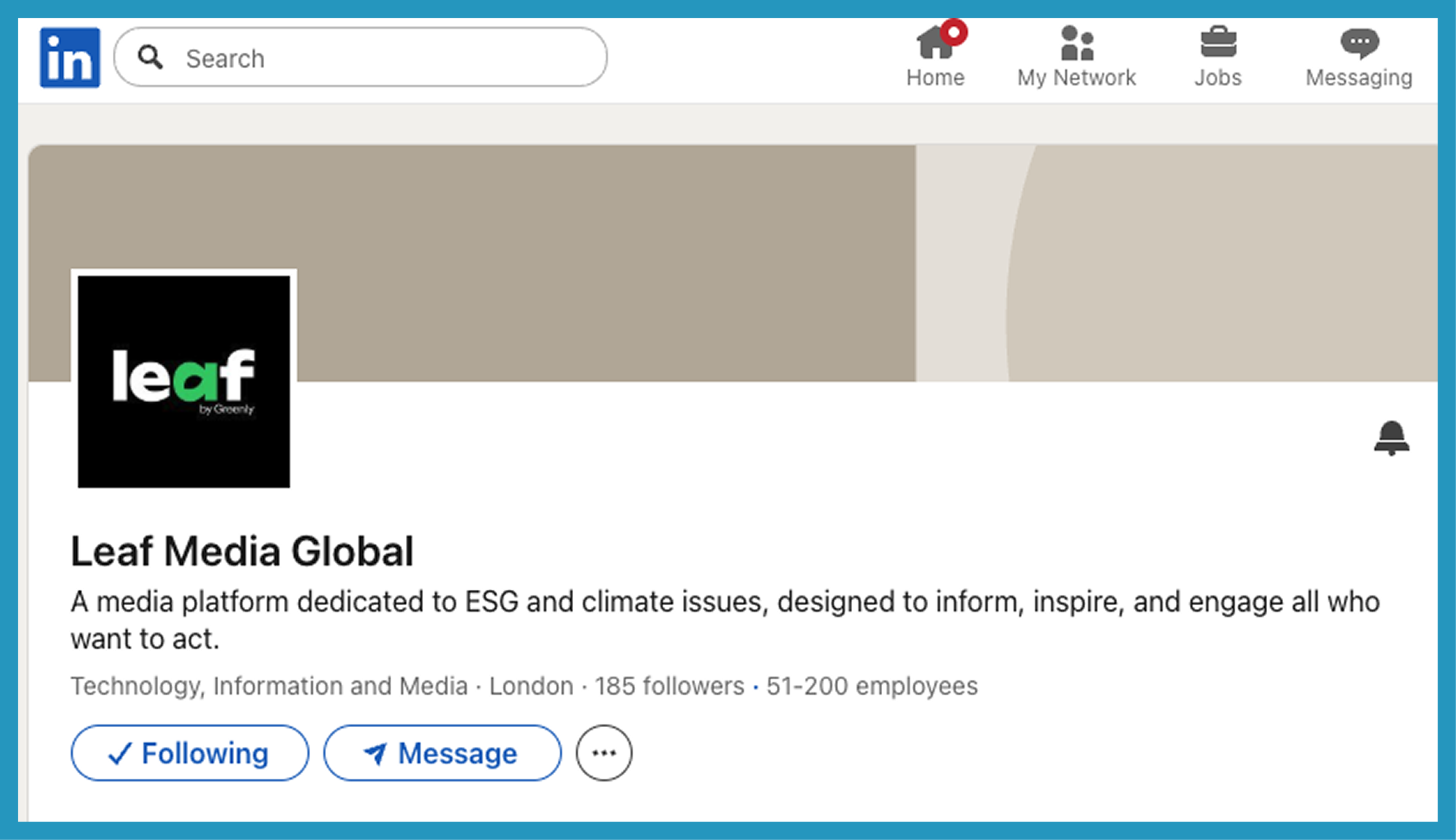
Both live under Leaf Media by Greenly, a mini-brand with its own microsite, social channels, and editorial identity distinct from their core product.
It’s a masterclass in understanding that different content serves different purposes, and sometimes keeping things separate makes them more valuable.
Let’s dive in.
Content Ideas: Greenly’s Leaf Media podcast strategy
What they did:
Greenly is sustainability software for businesses – GHG disclosure, product carbon footprint, compliance, a “climate copilot” for companies.
They’ve made podcasts a core content format over the past year, running two distinct video podcasts:
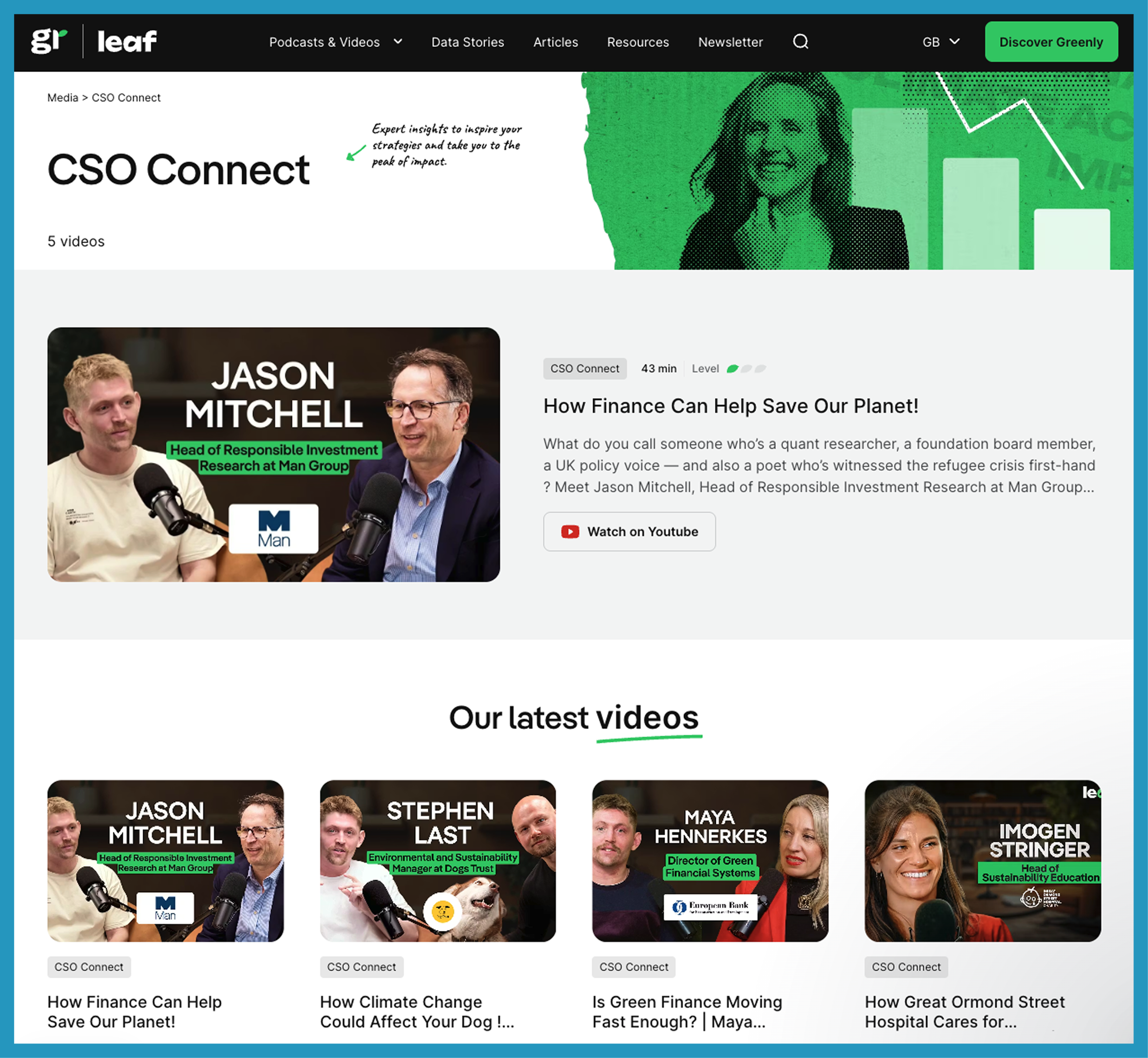
CSO Connect: Interviews with Chief Sustainability Officers about strategy, challenges, career paths. It’s the tactical, career-focused podcast targeting sustainability leaders and practitioners working in the field.
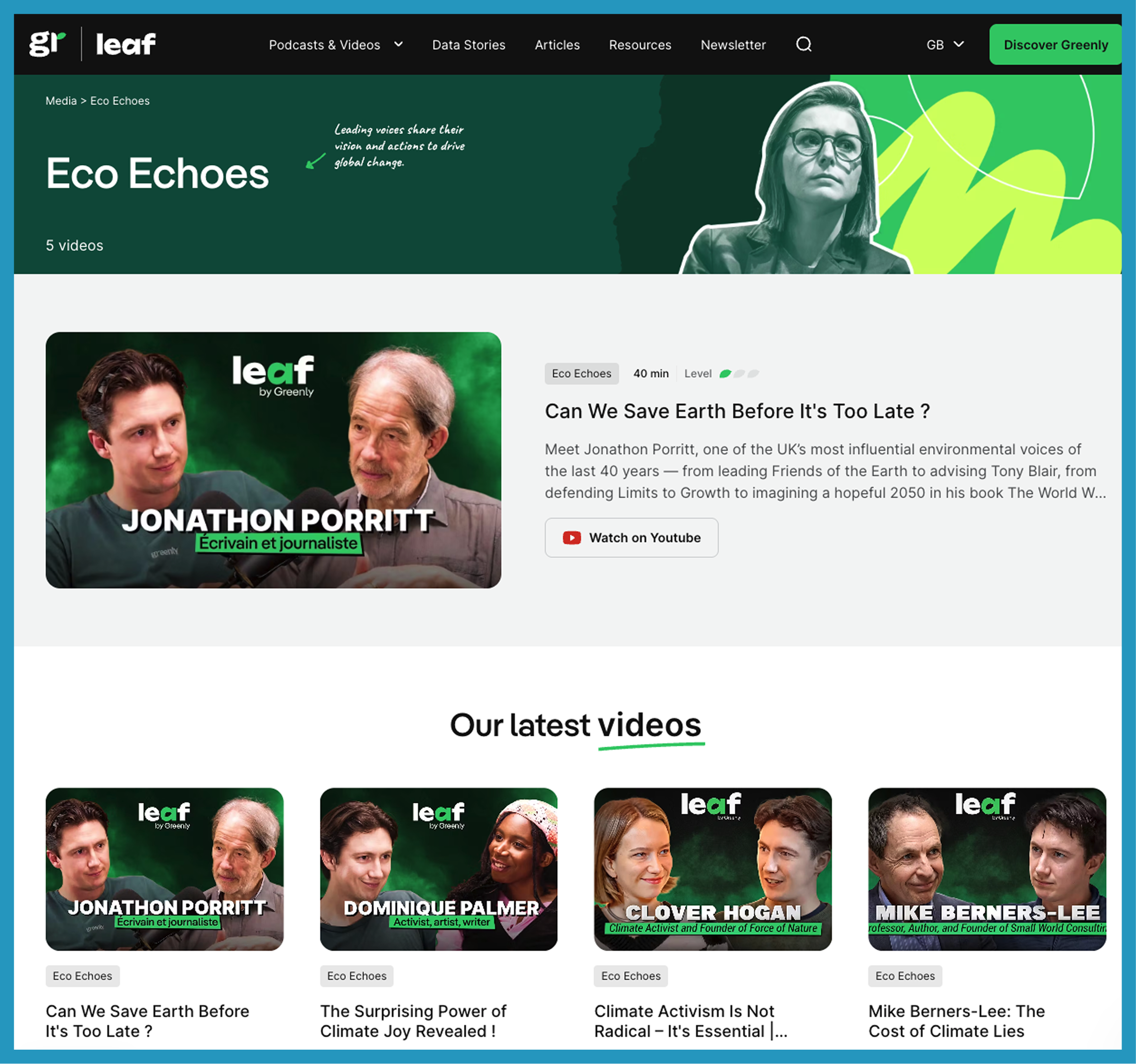
Eco Echoes: Conversations with leading voices in the climate space – activists, environmentalists, visionaries sharing their vision for global change. Guests include people like Clover Hogan and Mike Berners-Lee. It’s the inspirational, personal podcast for a broader climate-conscious audience.
Both are (of course) repurposed into clips for other platforms too.
And critically, both podcasts sit under Leaf Media by Greenly – a separate mini-brand that includes podcasts, data stories, articles, and a newsletter, all hosted on a microsite that keeps the media content separate from the main Greenly brand.
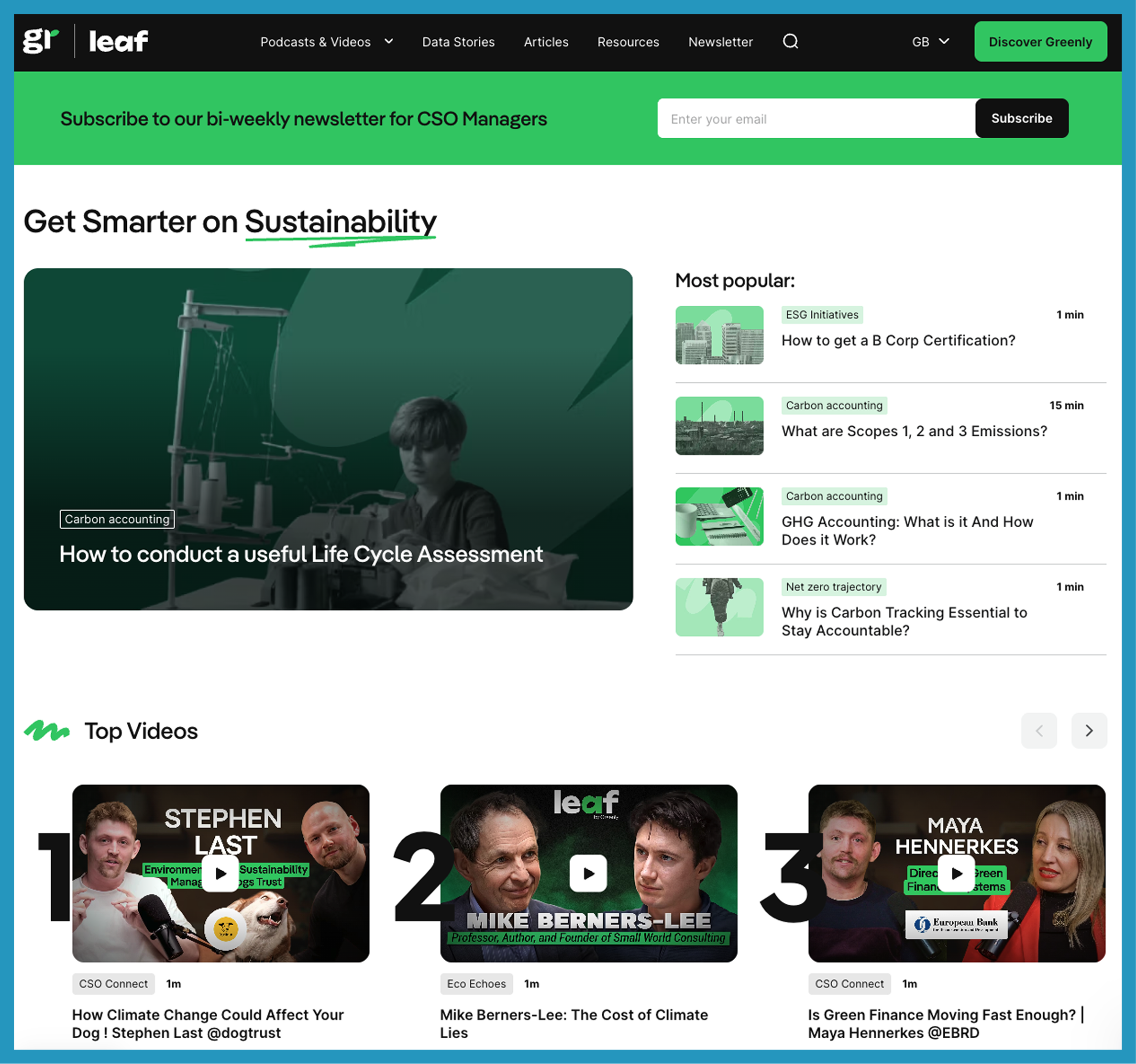
Leaf Media has its own social channels too (YouTube, LinkedIn, etc) where the content is distributed.
Why it works:
The separation serves different audience needs and listening moments. They could’ve lumped everything together as “Greenly’s Climate Podcast” – all climate interviews under one umbrella. But a CSO discussing compliance deadlines and stakeholder buy-in serves a completely different need than an activist sharing their vision for systemic change. One is a career podcast you listen to for tactical insights during work hours. The other is for inspiration during your commute or downtime. Different purposes, different emotional spaces, different value propositions. Keeping them separate means each can serve its specific audience moment better.
Separated mini-brand creates editorial distance. This won’t always be the right choice, but for Greenly it works. Leaf Media by Greenly positions the content as educational media first, company marketing second. It’s “podcast by/supported by Greenly,” not just another B2B podcast pushing product. That framing gives them freedom to focus purely on education and insights without every episode needing to tie back to their software. The separation builds trust – you’re here for the content, not the sales pitch.
Serialised formats create recognition and habit. Both podcasts run regularly with consistent formats – the audience knows what to expect, when to expect it, and what they’ll get from each show. That consistency builds engaged audiences who actually show up, rather than needing to convince people from scratch every time. Then they repurpose each episode into short clips and social posts, maximising the value of each conversation.
Guest strategy builds value and distribution. Every episode features real expert voices sharing genuine insights. That makes the content inherently valuable even if you never consider Greenly as a vendor. But it also creates built-in distribution – when a Chief Sustainability Officer or climate activist appears on the podcast, they’re likely to share it with their network, expanding the audience the content reaches.
What this content example made me reflect on:
If we run multiple content series, are we clear about the distinct purpose of each?
On the other hand, are we keeping things separate just because they seem different, or because our audience actually consumes them differently?
When does separating content from the core brand via a media property that exists on its own merit make sense?
Kudos to the Greenly team for this one 👏
What content examples have caught your attention lately? Hit reply and let me know – I’m always on the lookout for the most creative, unique, inspirational examples to cover.
Speak soon,
Your content friend, Tabitha.
P.S. If you found this useful, please share it with a fellow content marketer. Word of mouth is how we grow this little community 🫶
Let’s dive in.